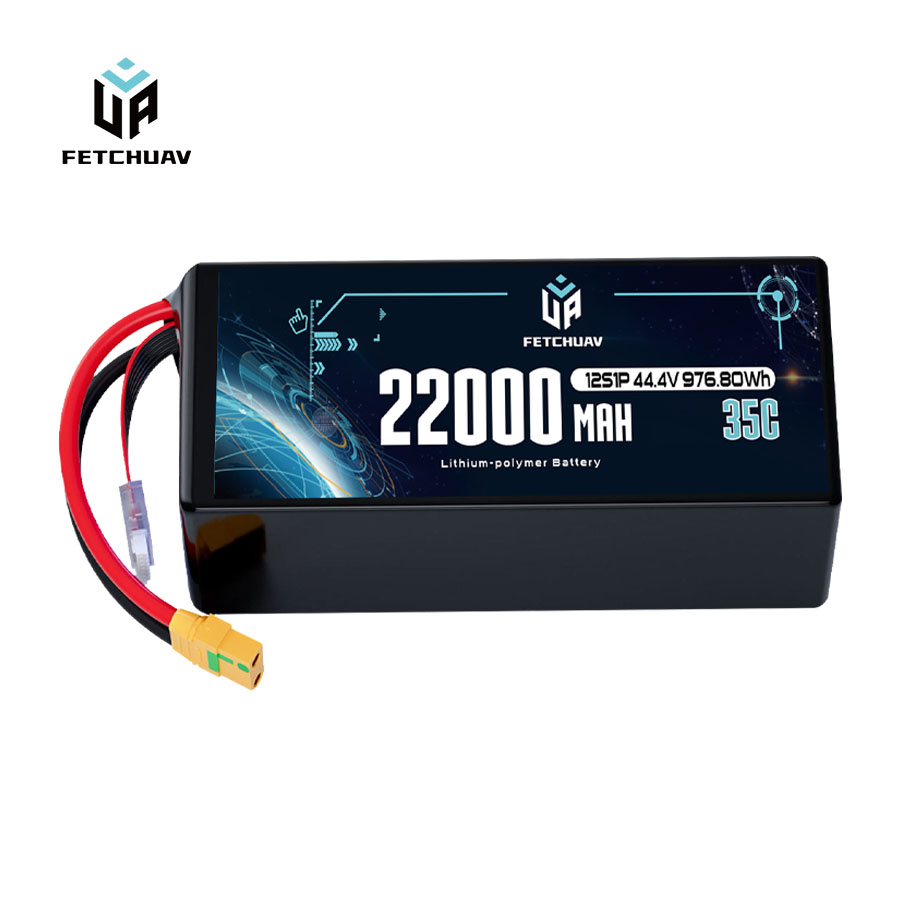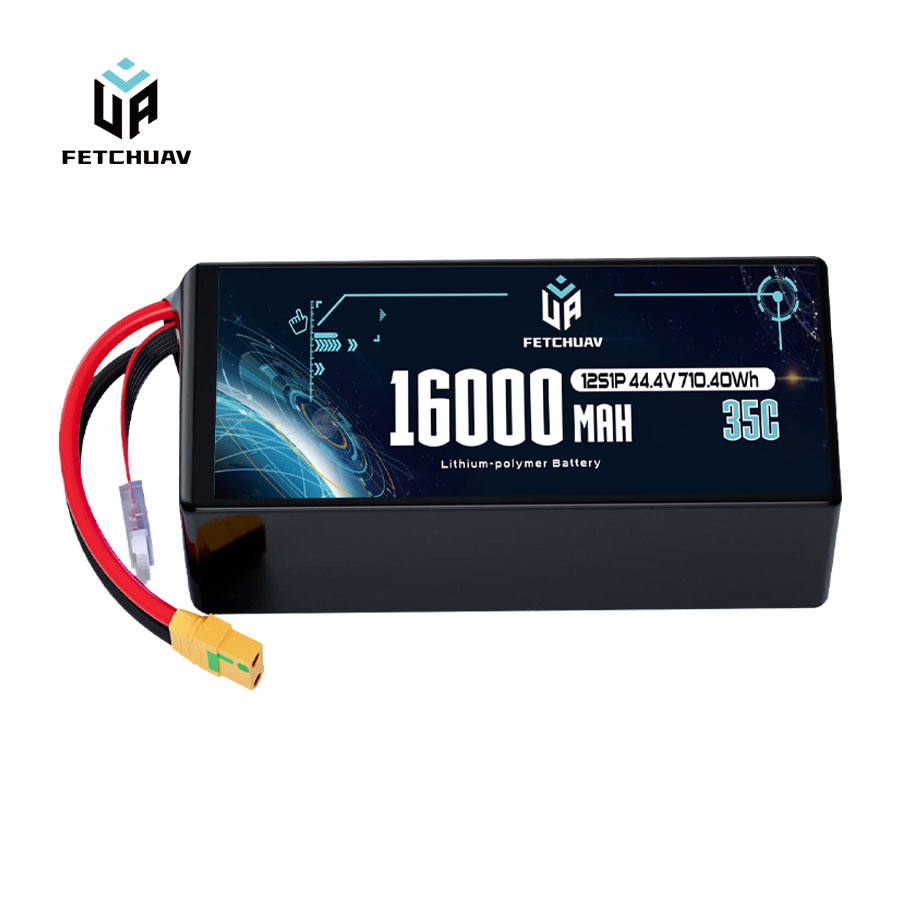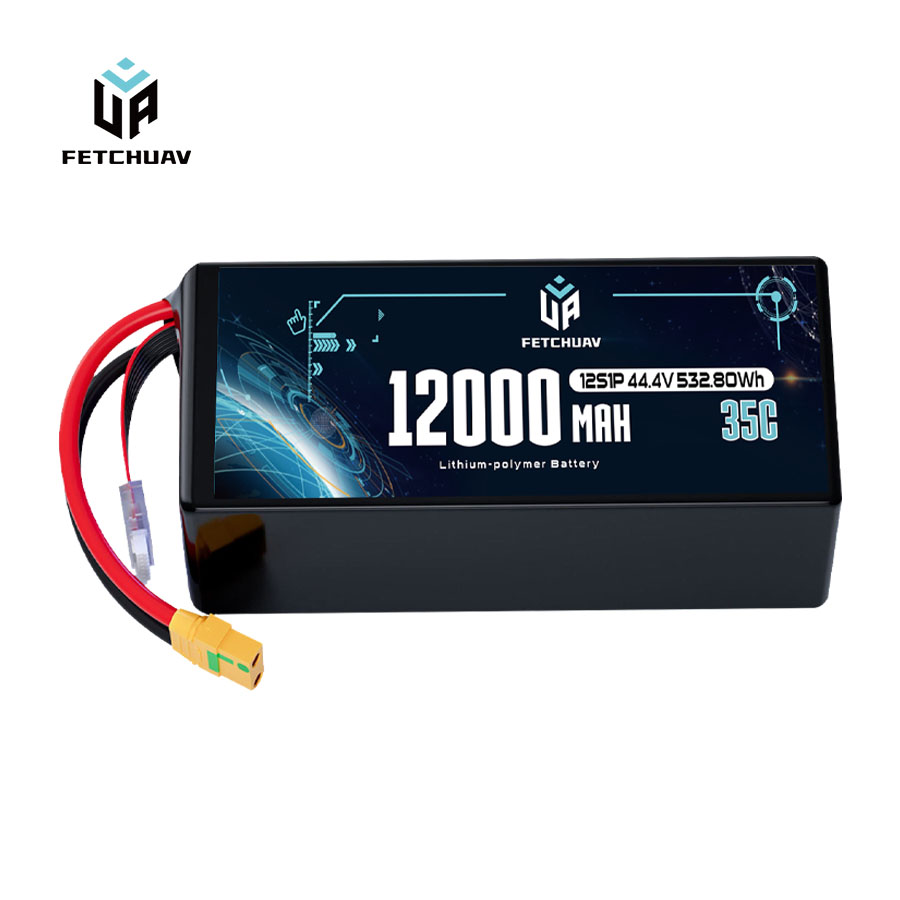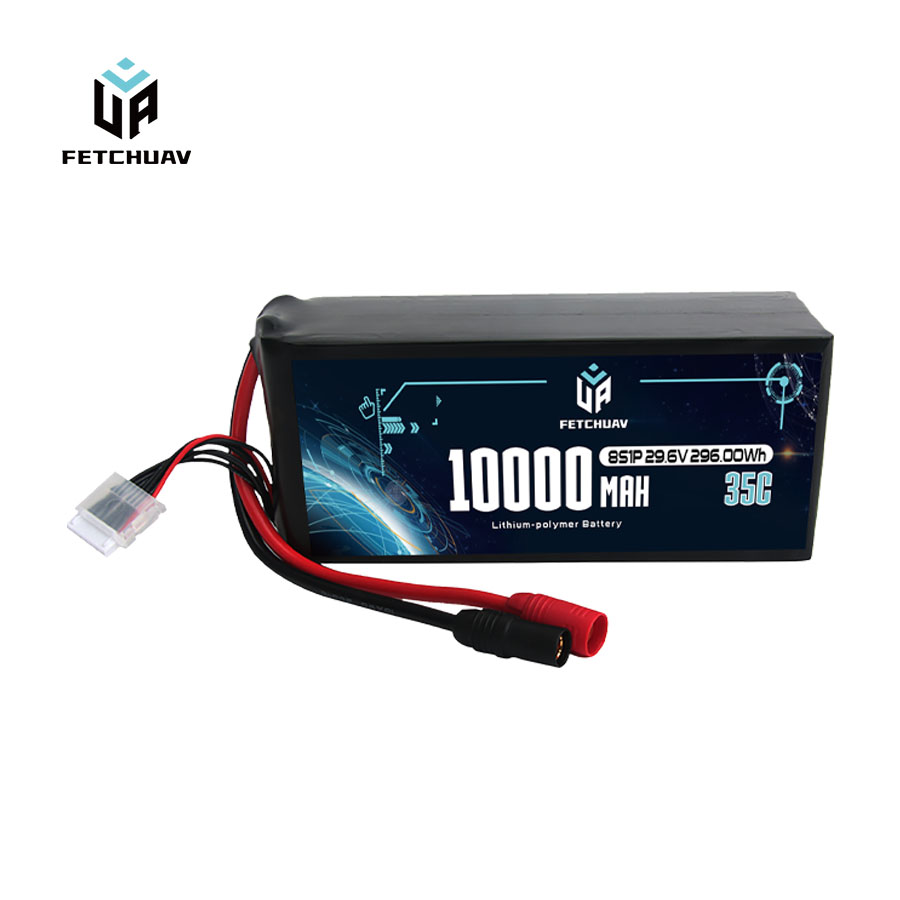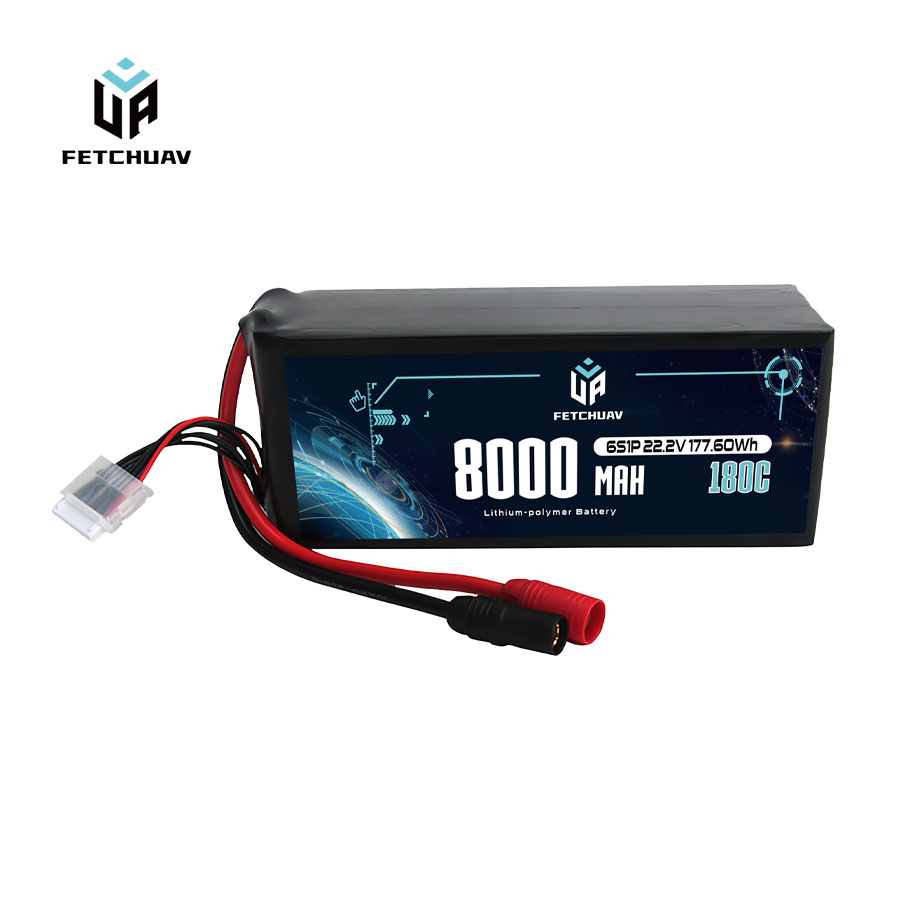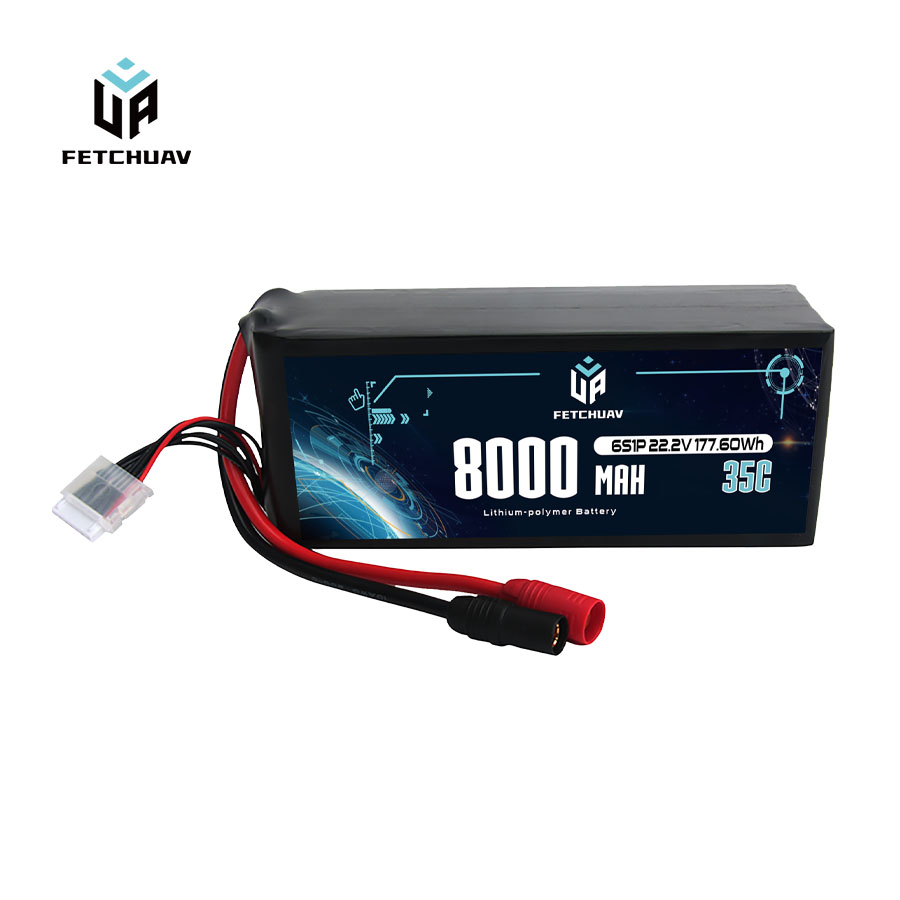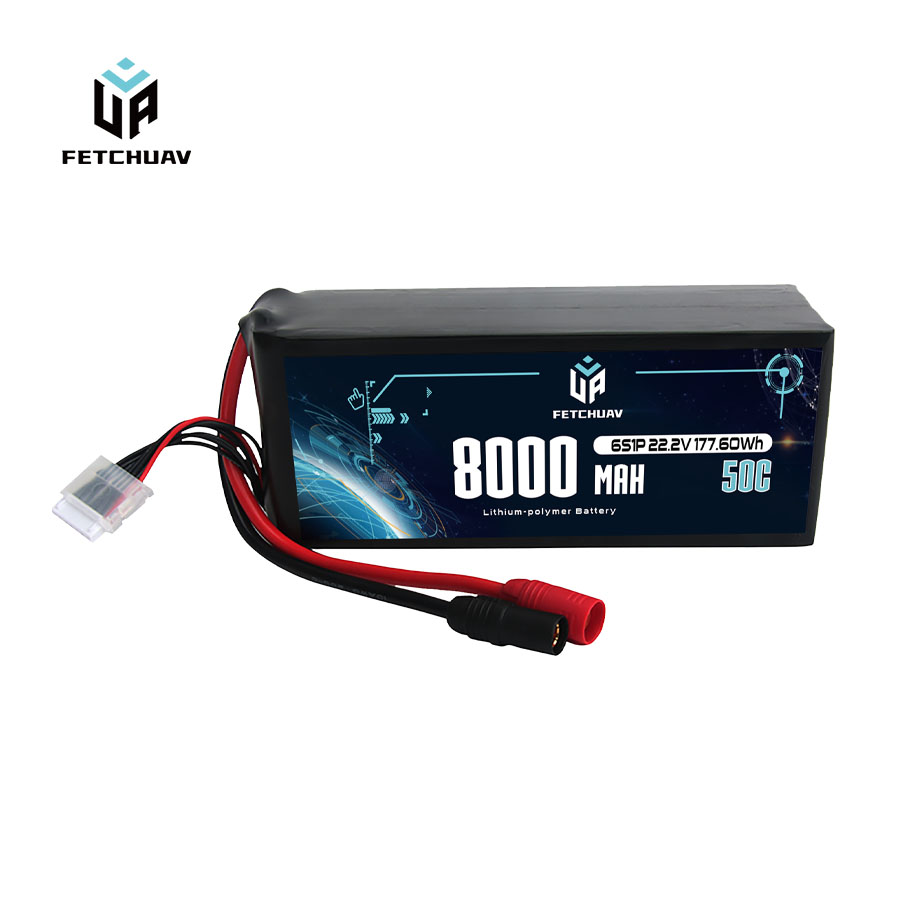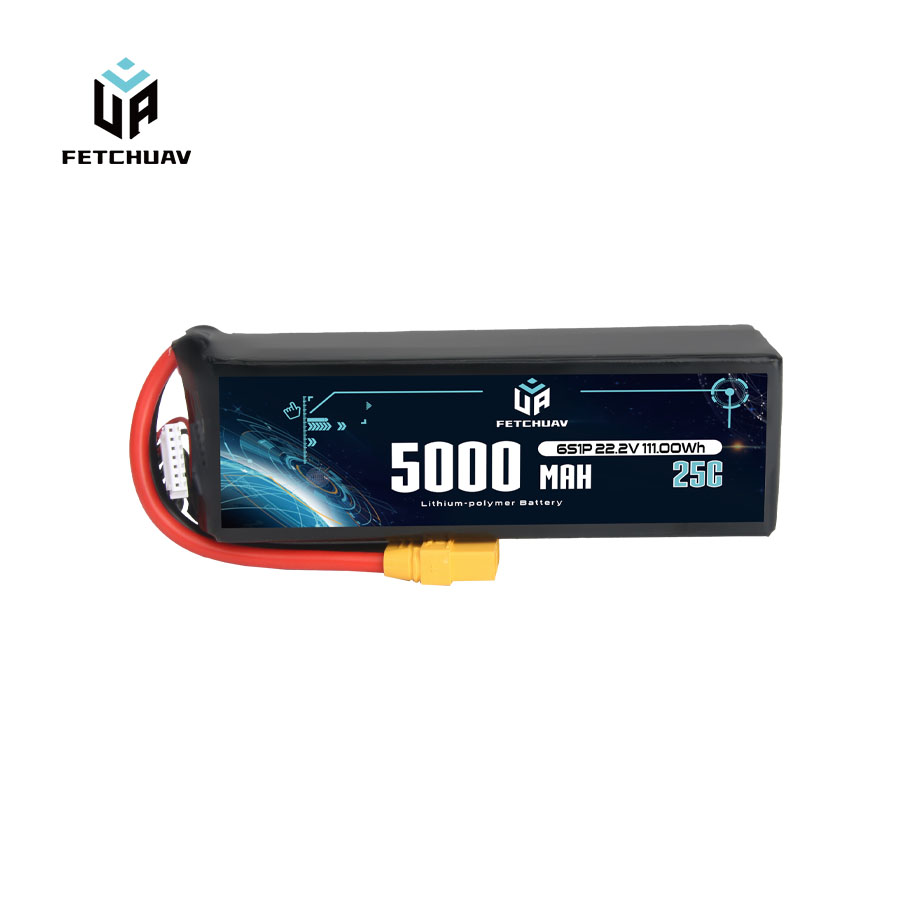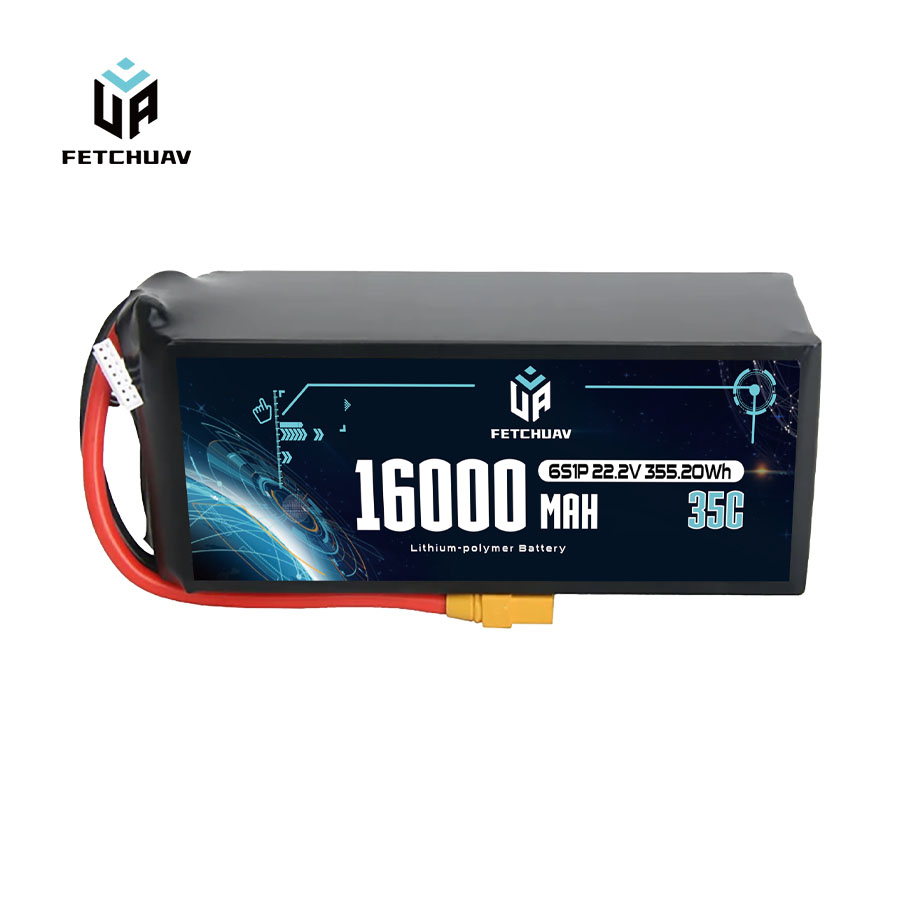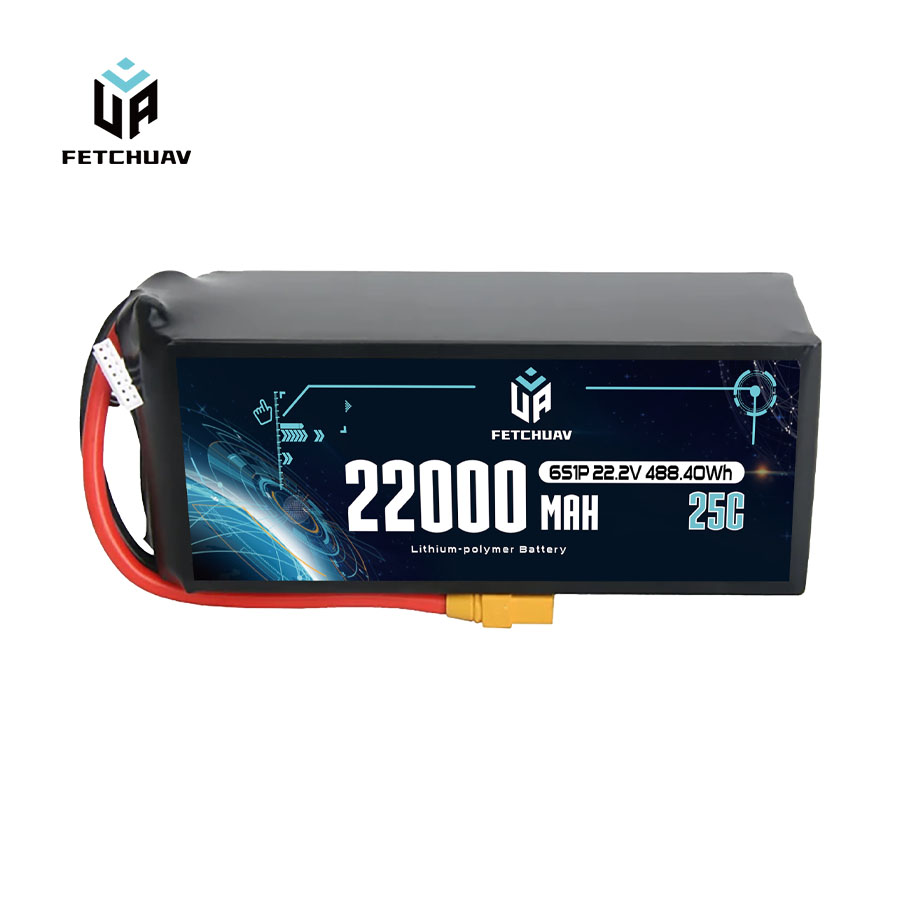
For anyone who purchases and uses industrial drone lithium polymer batteries, the letters S and P are the most fundamental yet critical markings on every battery pack. Terms such as 6S, 12S, 24S, 2P, and 4P are not random labels; they represent the core series and parallel connection structure of LiPo cells, directly determining the battery’s working voltage, output power, total capacity, flight duration, and overall operational safety. Choosing the wrong S and P configuration will lead to insufficient takeoff power, short flight time, abnormal ESC operation, and even cause battery damage or flight accidents, making it essential for all UAV operators and procurement personnel to master this basic knowledge.
The letter S stands for Series connection, which refers to connecting single LiPo cells end to end to increase the total output voltage while keeping the battery capacity unchanged. A standard single drone LiPo cell has a nominal voltage of 3.7V, and the total voltage of the battery pack is calculated by multiplying the number of S by 3.7V. Common configurations include 6S (22.2V), 12S (44.4V), and 24S (88.8V), which are widely matched to different types of UAV equipment. Small consumer drones and lightweight surveying drones usually adopt 3S to 6S low-voltage batteries, while heavy-lift multirotor drones, VTOL fixed-wing drones, and industrial inspection drones require high-voltage 12S or 24S battery packs. High S-number configurations provide stable high-power output, meeting the high current demand for heavy-load takeoff, rapid ascent, and high-speed flight of industrial UAVs.
The letter P stands for Parallel connection, which means connecting multiple cells side by side. Unlike series connection, parallel connection does not change the working voltage of the battery pack but effectively increases the total battery capacity and continuous discharge current. For instance, two 20Ah single cells in a 2P structure form a 20Ah battery pack with double the discharge current and better high-load stability; a 4P configuration can further upgrade the battery’s endurance and power supply capacity. This configuration is mainly used for agricultural spraying drones, large-area mapping UAVs, and long-duration patrol drones, solving the problem of insufficient battery life for long-term field operations.
Most professional industrial drone batteries adopt a composite S&P mixed structure, such as 12S2P and 24S2P, which perfectly balance high voltage, large capacity, and stable discharge performance. Regular consumer batteries often use a single-cell structure, while customized industrial packs strictly optimize S&P layout according to drone ESC parameters, motor power, and flight scenarios. All our UAV LiPo batteries adopt standardized S&P wiring technology and built-in professional BMS protection boards, avoiding voltage imbalance and cell attenuation caused by unreasonable connection. If you are confused about the optimal battery configuration for your drone model, you can send us your UAV parameters to get a professional customized battery solution.